
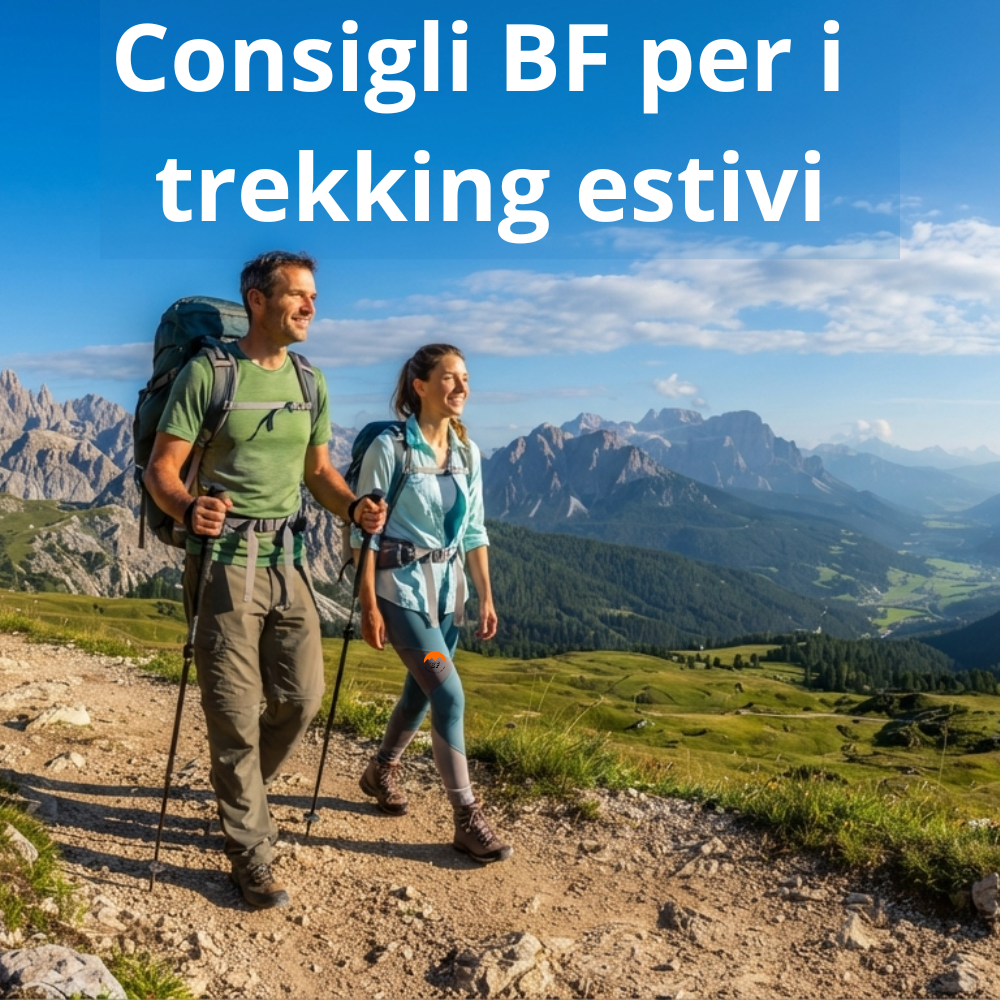
Summer is the perfect time to enjoy the mountains: the refuges are open, the days are long, and the views make all the effort worthwhile. But beware: the mountains in summer can be as magnificent as they are unpredictable.
Between scorching heat in the valley and sudden thunderstorms at high altitudes, the right backpack and a bit of common sense make all the difference between an unforgettable adventure and a day to forget.
If you're planning your first hikes this season or need a quick reminder before packing your bag for your holiday, here's the ultimate guide with golden rules to follow.
1. The number one rule: planning is essential
Even the simplest trail requires a minimum of desk research. Before you leave, ask yourself these questions:
-
How long and how high? Calculate your hiking times without rushing. If you're a beginner, aim for hikes with a moderate elevation gain (within 400-500 meters) and a total duration of 3-4 hours.
-
Check local weather forecasts: Don't just look at the general weather for the area; seek out specific reports for high altitudes (e.g., MeteoMont or dedicated regional sites). Remember: in summer, afternoon thunderstorms are an almost daily occurrence!
-
Tell someone: Always inform someone (the hotel manager, a friend, a family member) of the trail you intend to take and your expected return time.

2. Layered clothing: never go without!
The sun beats down strongly, but at 2,000 meters, a breath of wind or the shadow of a cloud can cause the temperature to plummet. The watchword is to dress in layers (layering):
-
First layer (skin): A technical, breathable t-shirt (avoid 100% cotton, which retains sweat and makes you feel wet and cold).
-
Second layer (warmth): A lightweight fleece or a technical Polartec sweatshirt to wear if it's cool at altitude or during breaks.
-
Third layer (protection): A windproof and waterproof jacket (GORE-TEX type or similar). Even if the day seems bright, a protective shell in your backpack should always be there.
-
Pants: Opt for lightweight and elastic long trekking pants (they also protect against scratches, ticks, and sun). If you prefer shorts, make sure to pack sunscreen and insect repellent.

3. Footwear and happy feet: don't risk it
It's the classic beginner's mistake: setting off in fashionable sneakers. Summer trails can be stony, steep, or slippery due to gravel.
-
Hiking boots or trail running shoes? If you're a beginner or tackling challenging trails, a hiking boot (low or mid-cut) with a good lugged sole (e.g., Vibram) protects the ankle and offers grip.
-
Hiking socks: Wear specific seamless, non-thick socks to prevent bothersome blisters. A small trick? Always carry a pair of blister plasters and kinesio tape in your backpack.
4. Water and food: your fuel
In summer, the body sweats more and requires constant hydration.
-
Water: Carry at least 1.5 - 2 liters of water per person (more if the route is long or very exposed to the sun). Consider using a thermal bottle or a hydration bladder (CamelBak). Please note: Never drink directly from streams or non-potable fountains unless there's an explicit sign.
-
Energy snacks: Dried fruit, cereal bars, dark chocolate, light sandwiches with turkey breast or aged cheese. They'll give you an immediate boost when you're tired.

5. The "survival kit" to always carry in your backpack
Even for a hike of just two hours, there are items that a wise hiker's backpack should never be without:
-
Sunscreen and sunglasses: In the mountains, UV rays are much more intense. High-factor sunscreen and glasses with appropriate protection category (cat. 3 or 4) are mandatory. I also recommend a UV-protective hat!
-
Basic first aid kit: Plasters, disinfectant wipes, gauze, tick tweezers, basic painkillers, and an emergency thermal blanket (weighs just a few grams but can save your life).
-
Power bank and charged phone: For taking photos, yes, but especially for consulting offline GPS maps (e.g., apps like Komoot, Outdooractive or GeoResQ) and for emergencies.
-
Emergency whistle: Often integrated into the backpack, it's very useful for being located in case of need if your voice fails.
-
A headlamp: Even if you plan to return in daylight, an unforeseen event can extend your time.
6. Trail etiquette (Rules of respect)
The mountain is a shared home. Remember these simple rules of coexistence and environmental protection:
-
Uphill hikers have right of way: If you meet someone struggling uphill while you're descending, move aside and let them pass (it's usually the person descending who yields).
-
Leave no trace: Whatever you take up, you bring back down. Wrappers, fruit peels (they take months to decompose at altitude!), and all kinds of waste should never be left in nature.
-
Respect wildlife and flora: Don't shout so as not to disturb wild animals, and don't pick protected flowers (like edelweiss).
-
Closing pastures: If you encounter gates or fences for livestock, always close them exactly as you found them to prevent cows or sheep from wandering off.

In conclusion
The summer mountains can offer unique emotions, lush green landscapes, and views that rejuvenate the spirit. Approach them with respect, caution, and proper preparation, and you'll see that every step will be worth it.
Happy hiking and happy outdoor holidays! 🏔️🎒
Did you like this article? Share it with your hiking companions or leave a comment below if you have any doubts about what to pack in your backpack!